

Easy Oatmeal Cookies Without Eggs – Soft, Chewy, and Delicious
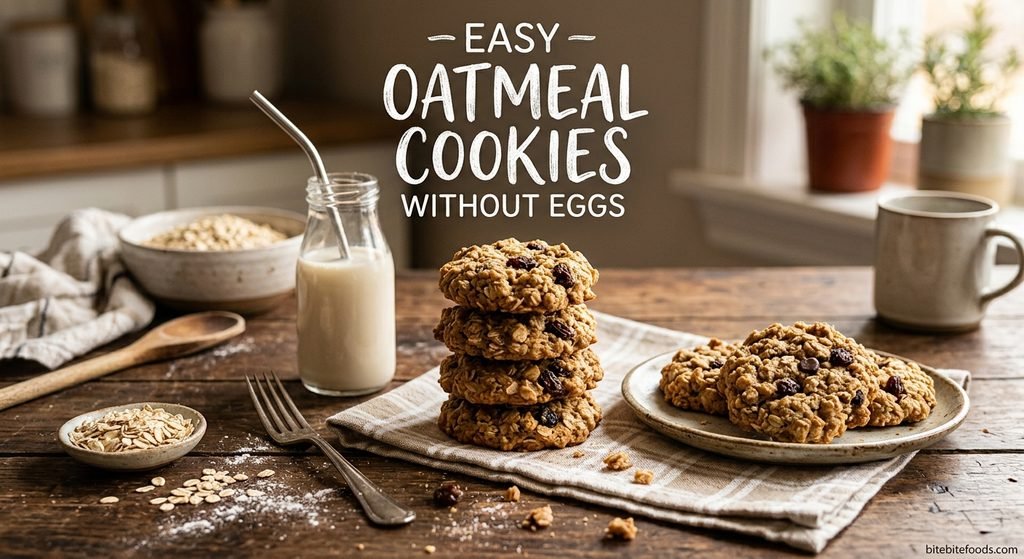
If you love homemade cookies but have run out of eggs, don’t worry. These easy oatmeal cookies without eggs are simple to make, taste delicious, and have a wonderful chewy texture. They are perfect for satisfying a sweet craving without making a trip to the grocery store. With basic pantry ingredients, a little mixing, and a few minutes in the oven, you can prepare a batch of homemade cookies that the whole family will enjoy.
This eggless oatmeal cookie recipe is ideal for beginners, busy families, and anyone looking for an easy baking project. You don’t need special equipment or complicated ingredients. Old-fashioned oats, flour, butter, sugar, and a few baking essentials are all you need to get started.
The best part? These cookies are full of comforting oatmeal flavor, with lightly crisp edges and soft centers. You can also customize them with chocolate chips, raisins, cinnamon, or chopped nuts to create your favorite combination.
Whether you’re baking for an afternoon snack, a lunchbox treat, or a cozy evening at home, these easy oatmeal cookies without eggs are a recipe worth keeping.
Why You’ll Love These Easy Oatmeal Cookies Without Eggs
There are plenty of reasons to try this simple eggless oatmeal cookie recipe.
- No eggs required: This recipe is perfect when you’re out of eggs or prefer to bake without them.
- Simple ingredients: Most ingredients are everyday pantry staples.
- Easy preparation: You can mix the dough without a stand mixer or complicated baking equipment.
- Chewy texture: Oats and butter help create cookies with soft centers and lightly golden edges.
- Easy to customize: Add raisins, chocolate chips, nuts, or your favorite spices.
- Great for small gatherings: Make a batch for family snacks, school treats, or casual get-togethers.
You don’t need to be an experienced baker to make delicious homemade oatmeal cookies. Follow the measurements and baking tips below, and you’ll have a dependable recipe to enjoy whenever a cookie craving strikes.
Ingredients for Eggless Oatmeal Cookies
One of the best things about these easy oatmeal cookies without eggs is that they use familiar ingredients. Each ingredient plays an important role in creating the right flavor and texture.
1. Old-Fashioned Rolled Oats
Rolled oats give oatmeal cookies their signature texture and hearty flavor. They help make the cookies chewy and satisfying.
For the best results, use old-fashioned rolled oats rather than steel-cut oats. Steel-cut oats are much harder and won’t soften properly during the short baking time.
Quick oats can also work, but they may produce a softer, less textured cookie.
2. All-Purpose Flour
Flour provides structure and helps the cookies hold their shape. Measure it carefully because too much flour can make the cookies dry or crumbly.
For accurate measuring, fluff the flour with a spoon, place it into your measuring cup, and level the top.
3. Butter
Butter adds richness, flavor, and tenderness. Use softened butter so it mixes easily with the sugar.
Unsalted butter gives you more control over the salt level. If you use salted butter, consider reducing the added salt slightly.
For a dairy-free version, you can try a plant-based butter substitute that is suitable for baking.
4. Brown Sugar
Brown sugar adds moisture and a gentle caramel-like flavor. It also helps the cookies develop a pleasantly chewy center.
If you don’t have brown sugar, you can use granulated white sugar. The cookies may have a slightly different texture and flavor, but they can still be delicious.
5. Granulated Sugar
A small amount of white sugar adds sweetness and helps the edges become lightly crisp.
Combining white and brown sugar creates a nice balance between chewy centers and delicate edges.
6. Milk
Milk helps bring the eggless dough together. Because eggs normally provide moisture and some structure in traditional cookie recipes, a little milk helps compensate for their absence.
You can use dairy milk or an unsweetened plant-based alternative, such as oat milk or soy milk.
7. Baking Soda
Baking soda helps the cookies spread and brown. Make sure it is fresh for the most reliable results.
If you only have baking powder, it may be possible to substitute it, but the cookies may spread and brown differently.
8. Ground Cinnamon
Cinnamon complements the flavor of oats and brown sugar. It gives the cookies a warm, comforting aroma.
You can adjust the amount to suit your taste or leave it out if you prefer a simpler flavor.
9. Vanilla Extract
Vanilla enhances the sweetness and makes the cookies smell wonderful while baking.
Pure vanilla extract is excellent, but imitation vanilla can also work.
10. Salt
A small pinch of salt balances the sweetness and brings out the flavor of the other ingredients.
Easy Oatmeal Cookies Without Eggs Recipe
Here is everything you need to prepare a delicious batch of homemade eggless oatmeal cookies.
Preparation time: 10 minutes
Chilling time: 20–30 minutes
Cooking time: 10–13 minutes
Total time: Approximately 40–55 minutes
Servings: 12–16 cookies, depending on size
Difficulty: Easy
Ingredients
- 1 cup old-fashioned rolled oats
- 3/4 cup all-purpose flour
- 1/2 cup unsalted butter, softened
- 1/3 cup packed brown sugar
- 1/4 cup granulated sugar
- 2 tablespoons milk
- 1 teaspoon vanilla extract
- 1/2 teaspoon baking soda
- 1/2 teaspoon ground cinnamon
- 1/4 teaspoon salt
- 1/3 cup raisins or chocolate chips (optional)
Instructions
Step 1: Prepare the Oven
Preheat your oven to 350°F (175°C). Line a baking sheet with parchment paper.
Parchment paper helps prevent sticking and makes cleanup easier. If you don’t have parchment paper, lightly grease the baking sheet.
Step 2: Cream the Butter and Sugars
Place the softened butter, brown sugar, and granulated sugar in a mixing bowl.
Beat them together with a hand mixer or a sturdy wooden spoon until the mixture looks creamy and well combined.
You don’t need to beat the mixture for as long as you might for a traditional cake. Just make sure the butter and sugars are evenly blended.
Step 3: Add Milk and Vanilla
Pour the milk and vanilla extract into the butter mixture.
Stir until everything is combined. The mixture may look slightly different from traditional cookie dough because it doesn’t contain eggs, but that’s completely fine.
Step 4: Combine the Dry Ingredients
In a separate bowl, combine the flour, rolled oats, baking soda, cinnamon, and salt.
Stir well to distribute the baking soda and cinnamon evenly throughout the flour and oats.
This step helps prevent pockets of baking soda or cinnamon from forming in the finished cookies.
Step 5: Make the Cookie Dough
Gradually add the dry ingredients to the wet mixture.
Stir gently until a thick dough forms. Avoid overmixing, as excessive mixing can make the cookies tougher than necessary.
If you want extra flavor and texture, fold in raisins or chocolate chips.
The dough should hold together when pressed. If it seems unusually dry and crumbly, add another teaspoon of milk. If it feels very soft, refrigerate it before shaping.
Step 6: Chill the Dough
Cover the bowl and refrigerate the dough for 20–30 minutes.
Chilling helps the butter firm up and gives the oats time to absorb some moisture. This makes the dough easier to handle and can help prevent excessive spreading in the oven.
If you’re in a hurry, you can skip chilling, but the cookies may spread more.
Step 7: Shape the Cookies
Scoop approximately 1 to 1 1/2 tablespoons of dough for each cookie.
Roll each portion into a ball and place it on the prepared baking sheet. Leave about 2 inches between the cookies to allow room for spreading.
Gently flatten each dough ball with your fingers or the back of a spoon. Eggless cookie dough may not spread exactly like traditional dough, so shaping the cookies slightly helps them bake more evenly.
Step 8: Bake the Cookies
Place the baking sheet in the preheated oven.
Bake for 10–13 minutes, or until the edges are lightly golden and the centers look set but still soft.
Don’t wait for the entire cookie to become dark brown. Oatmeal cookies continue to firm up as they cool, and overbaking can make them dry.
Baking time will vary depending on cookie size and your oven.
Step 9: Let the Cookies Cool
Remove the baking sheet from the oven and let the cookies rest for approximately 5 minutes.
Eggless oatmeal cookies can be delicate when they first come out of the oven. Allowing them to cool slightly helps them become firm enough to transfer.
Move them to a wire rack to cool completely, or enjoy one while it is still slightly warm.
Your easy oatmeal cookies without eggs are ready to serve!
Tips for Soft and Chewy Eggless Oatmeal Cookies
A few small adjustments can make a noticeable difference in your results.
Measure the Ingredients Carefully
Too much flour can make cookies dry, while too much milk can make the dough overly soft. Use accurate measurements for a consistent texture.
If possible, use a kitchen scale for the most precise results.
Don’t Overbake
One of the most common oatmeal cookie mistakes is leaving the cookies in the oven until they look completely firm.
Remove them when the edges are set and lightly golden, even if the centers appear slightly soft. They’ll continue to cook gently from the residual heat.
Chill the Dough When Necessary
If your kitchen is warm or your butter was very soft, chilling is especially helpful.
Cold dough generally spreads less quickly in the oven, which can help the cookies maintain a thicker shape.
Choose the Right Oats
Old-fashioned rolled oats create a pleasantly chewy texture. Quick oats produce a softer, more uniform cookie.
Avoid steel-cut oats unless you’re using a recipe specifically developed for them.
Don’t Add Too Much Flour
If the dough looks slightly sticky, refrigerate it before adding more flour. Adding too much flour can result in dense cookies that lack moisture.
Let the Cookies Rest
Allowing the cookies to cool on the baking sheet for a few minutes gives them time to set. Moving them too early may cause them to break apart.
Delicious Variations to Try
This recipe is easy to customize, so you can make several different versions using the same basic dough.
Chocolate Chip Oatmeal Cookies
Add 1/3 cup chocolate chips to the dough before chilling.
Semi-sweet chocolate chips provide a balanced sweetness, while dark chocolate creates a richer flavor. You can also sprinkle a few extra chips on top of each dough ball before baking.
Oatmeal Raisin Cookies
Replace the optional chocolate chips with 1/3 cup raisins.
For softer raisins, soak them in warm water for a few minutes, drain them thoroughly, and pat them dry before adding them to the dough.
A little extra cinnamon works particularly well in this version.
Cinnamon Oatmeal Cookies
If you enjoy warm spices, increase the cinnamon slightly. You can also add a small pinch of nutmeg.
These cookies pair especially well with tea, coffee, or a glass of milk.
Oatmeal Cookies with Nuts
Add 1/4 cup chopped walnuts, pecans, or almonds.
Nuts provide a pleasant crunch that contrasts with the chewy oats. Toasting the nuts briefly before adding them can enhance their flavor.
Let toasted nuts cool completely before mixing them into the dough.
Peanut Butter Oatmeal Cookies
For a peanut butter variation, replace approximately 2 tablespoons of the butter with creamy peanut butter.
Because peanut butter changes the fat and moisture balance, check the dough before baking. If it seems too dry, add milk a teaspoon at a time.
You may need to adjust the texture slightly to get the results you prefer.
Dairy-Free Oatmeal Cookies
Use a suitable plant-based butter and unsweetened oat milk or soy milk instead of dairy products.
Check the labels of your chocolate chips and other optional ingredients if you need the entire recipe to be dairy-free.
Remember that dairy-free and egg-free are not the same as allergen-free. Always check ingredients carefully if you’re baking for someone with food allergies.
Why Are My Eggless Oatmeal Cookies Dry?
Dry cookies usually result from too much flour, insufficient moisture, or excessive baking.
First, check how you measure flour. Scooping directly into a measuring cup can pack in more flour than intended.
Next, make sure you use the specified amount of butter and milk. If your oats are particularly absorbent, the dough may need an additional teaspoon of milk.
Finally, pay attention to the baking time. Cookies that remain in the oven too long can lose moisture quickly.
For the next batch, remove the cookies when the edges are lightly golden and allow them to finish setting on the baking sheet.
Why Do My Oatmeal Cookies Fall Apart?
Eggs help bind traditional cookie dough, so eggless cookies need enough moisture and time to set.
If your cookies crumble, the dough may be too dry or the cookies may have been moved before they cooled.
Make sure the butter is properly softened, measure the flour accurately, and add the milk gradually until the dough holds together when pressed.
Chilling can also help the dough become easier to shape. After baking, leave the cookies on the tray for at least 5 minutes before transferring them.
If you need a particularly firm, sturdy cookie, you can experiment with adding 1 tablespoon of unsweetened applesauce to the dough. This will change the moisture balance, so adjust the milk if necessary and test a small batch first.
Can You Make Oatmeal Cookies Without Eggs and Butter?
Yes, you can make oatmeal cookies without eggs and dairy butter, although the texture will depend on the replacement ingredients.
Use a plant-based butter substitute in the same approximate amount as the butter in this recipe. A baking stick designed to replace butter often produces more predictable results than a very soft spread.
You can also experiment with coconut oil, but it may create a different flavor and texture. Since coconut oil becomes firm when cool and melts readily in a warm oven, chilling the dough is especially helpful.
For the best results, avoid replacing every ingredient at once. Start with one substitution so you can see how it affects the cookies.
Can You Make These Cookies Without Brown Sugar?
Yes. If you don’t have brown sugar, use granulated white sugar instead.
The cookies will still be sweet, but they may have a slightly less caramel-like flavor and a different texture.
If you prefer a chewy result, avoid overbaking and make sure the dough contains enough moisture. You can also try adding a small amount of maple syrup, but liquid sweeteners change the dough’s consistency and may require adjustments.
How to Store Easy Oatmeal Cookies Without Eggs
Proper storage helps homemade cookies stay fresh and enjoyable.
At Room Temperature
Allow the cookies to cool completely before placing them in an airtight container.
Store them at room temperature for approximately 4–5 days. Keep the container in a cool, dry place away from direct sunlight.
If you stack the cookies, place parchment paper between the layers to help prevent sticking.
In the Refrigerator
You can refrigerate the cookies in an airtight container if your kitchen is particularly warm. However, refrigeration may make them firmer.
Let them sit at room temperature briefly before serving if you prefer a softer texture.
In the Freezer
Baked oatmeal cookies can generally be frozen for about 2–3 months for good quality.
Place the cooled cookies in a freezer-safe container or bag, separating layers with parchment paper.
Thaw them at room temperature before eating. You can also warm a thawed cookie briefly in the microwave for a softer texture.
Can You Freeze the Cookie Dough?
Yes. Shape the dough into individual portions and arrange them on a lined tray. Freeze until firm, then transfer the portions to a freezer-safe bag or container.
For best quality, use the frozen dough within about 2–3 months.
You can bake the dough portions from frozen, adding a little extra baking time as needed. Check the centers and edges to determine when they’re done.
What to Serve with Eggless Oatmeal Cookies
These cookies taste wonderful on their own, but you can also serve them with other simple treats.
- Milk: A classic pairing for oatmeal cookies.
- Coffee: The roasted flavor of coffee complements the sweetness of brown sugar.
- Tea: Enjoy them with black tea, green tea, or a lightly spiced chai.
- Fresh fruit: Apples, bananas, and berries provide a refreshing contrast.
- Yogurt: Serve a cookie alongside a bowl of plain or lightly sweetened yogurt for a simple snack.
For a dessert platter, combine oatmeal cookies with fresh fruit and a few pieces of dark chocolate.
Frequently Asked Questions
1. Can I make oatmeal cookies without eggs?
Yes. You can make delicious oatmeal cookies without eggs using butter, sugar, oats, flour, and a little milk. The key is to maintain the right dough consistency and avoid overbaking.
2. What can I use instead of eggs in oatmeal cookies?
This recipe uses milk to help bring the dough together. Depending on the recipe, unsweetened applesauce, mashed banana, or a commercial egg replacer can also work.
Each substitute affects flavor and texture differently, so it’s best to follow a recipe designed for the ingredient you’re using.
3. Are eggless oatmeal cookies chewy?
They can be. Brown sugar, butter, and rolled oats help create a chewy texture. Chilling the dough and removing the cookies from the oven at the right time also make a difference.
4. Can I use quick oats instead of rolled oats?
Yes. Quick oats can be used, although the cookies may have a softer texture and less noticeable oat pieces.
For a classic chewy oatmeal cookie, old-fashioned rolled oats are usually the better choice.
5. Why didn’t my cookies spread?
Eggless cookie dough may spread less than traditional cookie dough. The dough might also be too cold or contain too much flour.
Gently flatten the dough balls before baking and make sure your ingredient measurements are accurate.
6. Can I make these oatmeal cookies gluten-free?
Yes, provided you use certified gluten-free oats and a suitable gluten-free flour blend designed for baking.
Check all ingredient labels for potential cross-contact if you’re baking for someone with celiac disease or a serious gluten allergy.
7. Can I make these cookies with less sugar?
You can experiment with reducing the sugar slightly, but sugar contributes to both sweetness and texture. A large reduction may produce cookies that are less tender, less golden, or more cake-like.
Start with a small reduction and test the results before changing the recipe further.
8. How do I know when eggless oatmeal cookies are done?
Look for lightly golden edges and centers that appear set but remain a little soft. Most cookies of the recommended size take approximately 10–13 minutes at 350°F (175°C).
Let them cool for several minutes before deciding whether they need more time to firm up.
9. Can children help make this recipe?
Yes. Children can help measure ingredients, stir the dough, and add chocolate chips or raisins with adult supervision.
An adult should handle the hot baking sheet and oven. If you plan to eat the dough before baking, use ingredients specifically suitable for that purpose; ordinary raw flour should not be eaten uncooked.
10. Are these cookies vegan?
Not automatically. The recipe contains butter and milk, which are animal products.
To make a vegan version, use suitable plant-based butter and plant-based milk, and check that your sugar and optional mix-ins meet your requirements.
Final Thoughts
These easy oatmeal cookies without eggs prove that you don’t need a complicated ingredient list to make a delicious homemade treat. With rolled oats, butter, sugar, flour, and a little milk, you can create cookies that have lightly crisp edges, soft centers, and plenty of comforting flavor.
The recipe is simple enough for beginner bakers and flexible enough to suit different tastes. Add chocolate chips for a sweeter treat, raisins for a traditional oatmeal cookie, or chopped nuts for extra crunch.
For the best results, measure your ingredients carefully, chill the dough when needed, and avoid leaving the cookies in the oven for too long. Let them cool briefly before moving them so they have time to set.
Once you’ve tried the basic recipe, experiment with your favorite additions and make it your own. These eggless oatmeal cookies are an easy, satisfying way to enjoy homemade baking whenever the craving strikes.
Recipe takeaway: If you’re looking for a simple, chewy, and flavorful cookie that doesn’t require eggs, this easy oatmeal cookies without eggs recipe is a great place to start.